Amidst rising global green consumption and tightening industry regulations,eco-certified metal buttons are becoming the preferred accessory for apparel,luggage,and other brands.For manufacturers,possessing authoritative certifications like the Global Recycled Standard(GRS)is not only essential for compliant production but also a key indicator of button quality and overall capability.
This certification is crucial for opening international markets and enhancing brand competitiveness.This guide provides brands with a comprehensive framework to understand essential certification systems and evaluate suppliers'verifiable credentials,empowering them to source suitable GRS-certified metal buttons wholesale.
1.Foundational Production Capabilities
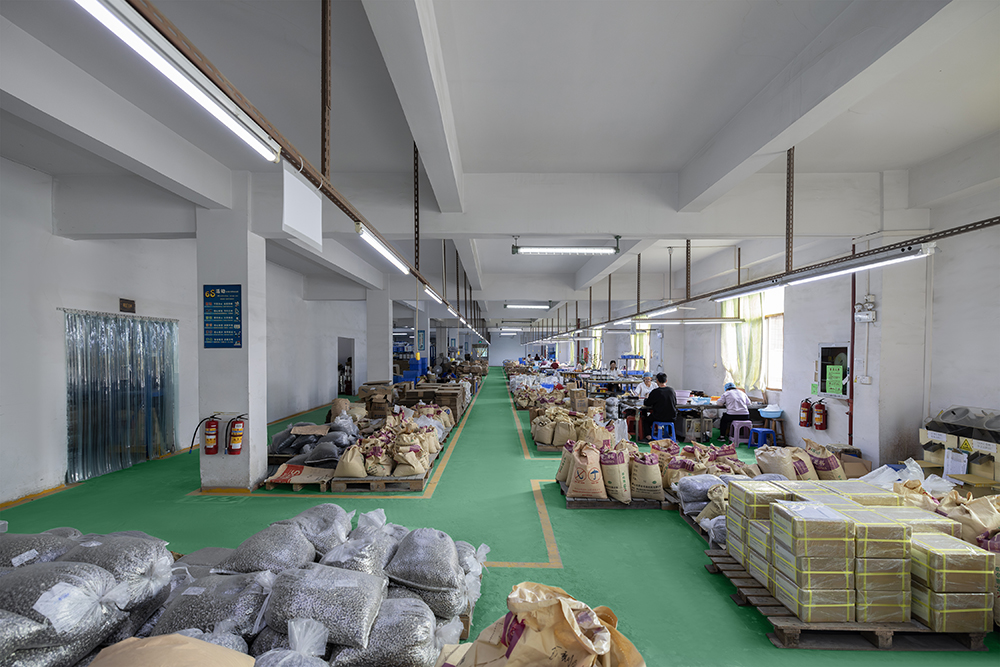
Before assessing environmental credentials,manufacturers must demonstrate robust,lawful,and standardized production capabilities—an indispensable requirement for international suppliers.
•Quality Management System:
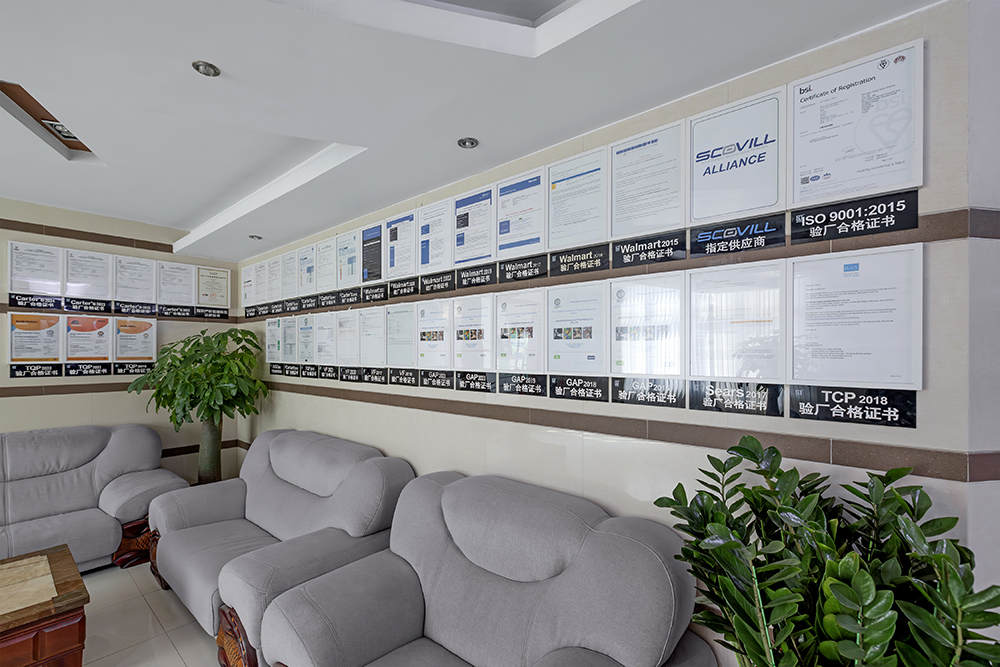
ISO 9001:2015 certification establishes a framework for consistent quality.It mandates documented procedures across all operational stages—from design and production to inspection and service.
•Production Scale and Traceability:
Tangible assets and systems ensure reliability.Factory size(e.g.,over 12,000 square meters of production space)and implementation of end-to-end traceability systems must be evaluated.Qualified button manufacturers like Songji retain all production and batch testing data for over five years,enabling complete batch tracking from raw materials to finished buttons.
•International Factory Audit Records:
Verified history of collaboration with global brands also demonstrates a manufacturer's strength.A manufacturer's track record of passing rigorous third-party social responsibility and quality audits—such as Songji's 72 audits for brands including GAP and Walmart over nine years—objectively validates its management systems and compliance resilience.
2.Environmental and Safety Certifications
These certifications validate the ecological friendliness and health safety of button products themselves.
lGlobal Recycled Standard(GRS):
This core certification for“GRS Metal Buttons”verifies the recycled content from post-consumer or industrial sources,ensuring a transparent,auditable chain of custody from origin to finished product.It addresses brands'demand for circular materials;industry estimates indicate only about 10-20%of button manufacturers currently hold this certification.
•OEKO-TEX Standard 100:
This internationally recognized label certifies buttons are free from harmful residues of over 1,000 regulated substances.Its Class I certification(for infant products)represents an exceptionally stringent safety level,crucial for children's apparel brands or those targeting highly regulated regional markets.This annually renewed certification complies with regulations like REACH and CPSIA.
lEnvironmental Management Systems:
Certifications like ISO 14001 demonstrate manufacturers'systematic management of energy,waste,and emissions,highlighting the factory's commitment to environmental stewardship.
3.Specialized and Innovative Qualifications for High-End Applications
Beyond basic compliance,additional certifications and patents signal a manufacturer's innovation capabilities and continuous improvement.
lNational High-Tech Enterprise Status:
Recognition as a National High-Tech Enterprise—such as Songji Button's 2016 accreditation—provides official endorsement of a manufacturer's R&D investment and systematic innovation capabilities,distinguishing it from ordinary factories.
lDesign and Software Intellectual Property:
Factories holding numerous product patents and copyrights demonstrate both product development prowess and“smart manufacturing”capabilities.
•Verified Industry-Specific Case Studies:
The ability to meet stringent safety and durability standards for specific industries serves as tangible proof through real-world examples.For instance,Songji's development of D-rings and snap fasteners for NUNA strollers,BMW child safety seats,and Carter's children's apparel—all passing rigorous testing—demonstrates its capacity to deliver customized solutions across diverse sectors.
4.Practical Framework for Supplier Evaluation
When sourcing GRS-certified metal buttons,brands must look beyond certificates alone.
1.Verify and Deepen Understanding of Certificates:
Confirm the validity and scope of key certifications(GRS,OEKO-TEX)through official databases.Request specific percentages of recycled materials listed on GRS certificates.
2.Request technical data and samples:
Demand pre-shipment test reports for metal buttons,including salt spray corrosion resistance and snap fastener tensile strength tests up to 90N.This enables post-delivery verification of button quality and surface treatment effectiveness.
3.Integrated Customization Capabilities:
For bespoke projects,inquire whether the button supplier offers in-house OEM/ODM services.Controlling mold development,production,and plating within a single system ensures consistent documentation,quality control,and efficiency—as demonstrated by Songji's service to brands like Armani and Diesel.
4.Supply Chain Standing:
A manufacturer's role as a core supplier to global giants like Prym or Wonderland serves as external validation of its quality and delivery performance within the global supply chain.
Procuring reliable GRS-certified metal buttons requires shifting from price-driven decisions to quantifiable criteria verifiable through certifications,qualifications,and processes.Objective data—such as GRS certification,OEKO-TEX safety labels,and a history of standardized production processes—distinguishes true partners from ordinary suppliers.For button procurement needs,please consult Songji.