Fashion brands typically focus their compliance efforts on fabrics and dyes. However, one accessory is more prone to issues than fabric yet often overlooked: metal buttons. Copper, zinc alloy, electroplating and surface coatings—each may contain controlled substances such as lead, cadmium and nickel. A single non-compliant button can result in an entire batch being returned.
Take Songji as an example. This metal button manufacturer has been in the industry since 1999 and serves over 100 brands. Songji's approach is straightforward: every batch of incoming copper must include a material certificate, and anything over the heavy metal limit is rejected outright. This is not overreaction. The cost of fixing a compliance failure is far higher than the cost of preventing it.
If you are a procurement manager or compliance officer sourcing metal buttons for European or American markets, this article is for you.
I. What exactly does REACH require of buttons?
REACH is the EU regulation on Registration, Evaluation, Authorisation and Restriction of Chemicals. It applies to all consumer goods entering the EU market. For button manufacturers, the impact falls into three areas.
SVHC list. REACH updates its Substances of Very High Concern list regularly. It currently covers over 200 chemicals. If any SVHC in a button exceeds 0.1%, the supplier must notify the brand.
Annex XVII restrictions. Nickel release is a common pain point. REACH sets clear limits on nickel release for metal products in direct contact with skin. This is especially sensitive for infant clothing and intimate apparel.
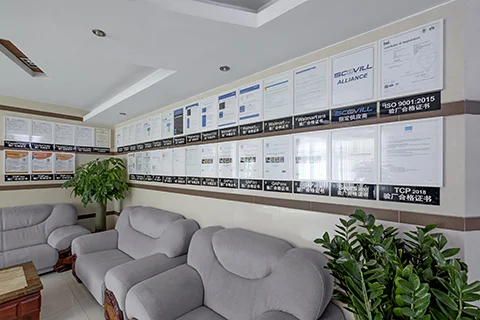
Lead, cadmium, mercury and hexavalent chromium are priority substances under REACH. While REACH does not set specific limits for buttons, brands typically build stricter standards into procurement contracts. Songji keeps heavy metal content below 40 ppm—an internal standard that is stricter than the general industry reference. This is backed by OEKO-TEX Standard 100 Class I and ISO 9001:2015 certifications held by Songji.
II. The four classes of OEKO-TEX Standard 100
OEKO-TEX Standard 100 is a globally recognised eco-textile certification developed by Germany's Hohenstein Institute and the Austrian Textile Research Institute. It tests finished products for harmful substances and divides them into four classes.
Class I is the infant-product level, for textiles and accessories used by children under 36 months. It demands the most extensive testing and the tightest limits. Formaldehyde must be below 16 ppm, and extractable heavy metal limits are far lower than those for adult products.
Class II covers direct skin contact—underwear, T-shirts, bed linen. Class III is for non-direct skin contact such as outerwear and curtains. Class IV is for decorative materials, with relatively relaxed limits.
When a supplier holds Class I certification, its products are safe not only for adult clothing but also for infant and children's wear. Songji holds OEKO-TEX Standard 100 Class I certification across its full range of metal buttons, including over 10,000 styles of snap buttons, jeans buttons and sew-on buttons. Meeting this standard means every step of Songji's process—from raw material intake to finished goods dispatch—must hold up to testing.
III. REACH and OEKO-TEX are not the same thing
These two standards are often mentioned together, but they serve different purposes.
REACH is regulation. It is mandatory. Any product entering the EU market must comply. REACH does not issue certificates; enforcement comes through market surveillance and customs checks.
OEKO-TEX is certification. It is voluntary. Third-party labs conduct testing and issue certificates, usually valid for one year with annual renewal. A valid OEKO-TEX certificate gives buyers immediate confidence that a supplier's products have been independently tested.
REACH focuses on the full life-cycle management of chemicals. OEKO-TEX focuses on residual harmful substances in finished products. There is overlap, but they are not the same. OEKO-TEX tests for formaldehyde, azo dyes and phthalates. REACH focuses more on SVHC notifications and restricted substances.
For brands, the best position is having both REACH compliance documentation and a valid OEKO-TEX certificate. The former satisfies regulation; the latter builds market trust. Songji maintains both, which is one reason why brands such as Walmart, GAP, VF and Carhartt continue to work with Songji over the long term.
IV. How to tell if a supplier's compliance is real
A certificate is only the starting point. Here is how to tell whether a supplier's compliance is on paper or in practice.
Check certificate validity and the certifying body. OEKO-TEX certificates last 12 months and become invalid if not renewed. The certifying body must be an OEKO-TEX-authorised lab. Each certificate carries a unique number that can be verified on the OEKO-TEX website.
Check what the test report actually says. A complete report lists every test item, its limit value and the actual result. If a supplier can only give vague statements without specific numbers, that is a red flag.
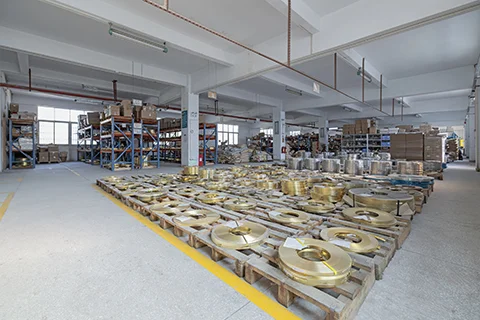
Check traceability. Compliance is not a one-time event. Every batch must meet the standard. Songji records every incoming material batch, every production step and every outgoing finished-goods batch. Test records are kept for at least five years. If a batch from three years ago had an issue, Songji can pull the raw material batch number, production parameters and test report. This traceability is critical when placing large custom orders that need consistent quality across production runs.
Check factory audit records. Third-party audits are not just about clean workshops. They verify whether the quality management system actually runs day to day. Over the past decade, Songji has passed 72 international brand audits. Quality management, environmental compliance and document traceability are mandatory items. Songji's HIGG FEM environmental performance assessment and GAP-TQP supplier quality certification were built through this continuous process.

V. How Songji puts compliance into practice
Songji has manufactured metal buttons since 1999. Compliance is built into production, not added on top.
Incoming materials. Every copper and alloy batch arrives with a material certificate. Anything over the heavy metal limit is rejected.
Production. Inspections happen after every step—stamping, electroplating, spray coating and surface treatment. Anything with colour deviation or poor adhesion goes back for rework.
Finished goods. Four parameters are fully inspected: tensile strength, salt spray resistance, heavy metals and dimensions. Data is archived.
Beyond REACH documentation and OEKO-TEX Standard 100 Class I, Songji holds multiple certifications. Having these in parallel means the quality system has been checked from different angles.

Songji serves over 100 brands across children's clothing, baby products, workwear and denim. NUNA pushchairs, Carter's childrenswear and GAP apparel all use Songji buttons.
If you need custom metal buttons, get in touch.