Although metal buttons on pushchairs are small, they perform critical functions such as securing safety belts, adjusting seats and attaching sun canopies. Should a metal button on a pushchair come loose or break under stress, it could pose a direct threat to a child’s safety. Consequently, international brands have established strict standards for pushchair fasteners regarding tensile strength, corrosion resistance and heavy metal content. This article will analyse the core safety requirements for metal buttons on pushchairs, particularly the 300 kg tensile strength test, and share how Songji Button Factory meets these standards through material selection, manufacturing processes and quality control.
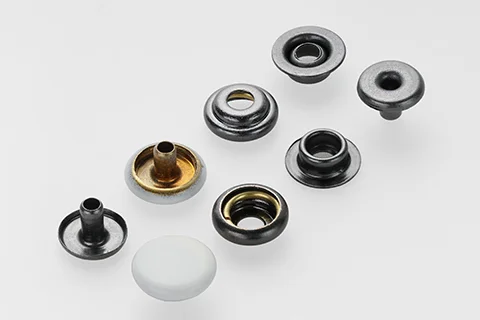
I. What are the safety standards for pushchair fasteners?
Safety standards for metal buttons on pushchairs cover multiple dimensions, with tensile strength being one of the most straightforward indicators. For button products used by children and infants, safety is the most critical and paramount consideration.
1. Tensile Strength Testing
Children frequently wriggle and tug whilst seated in their pushchairs, and as these products have a lifespan of 2–3 years, any loosening or detachment of a fastener not only compromises the user experience but may also cause the safety harness to fail, posing a direct threat to the child’s safety. As fasteners are not considered consumable parts, manufacturers do not offer separate replacement services to consumers. Consequently, the tensile strength standards for pushchair fasteners are significantly higher than those for standard clothing buttons.
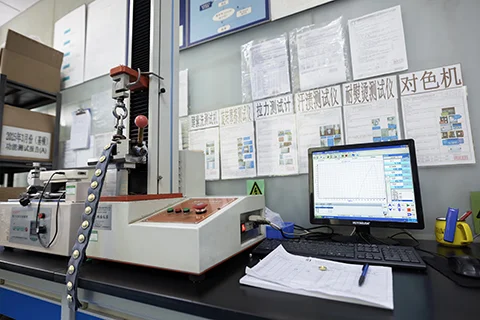
Standard five-prong buckles: Tensile strength requirement ≥90N (equivalent to a static load of 9 kg), ensuring they do not come loose during daily use.
Specialised four-prong buckles for pushchairs: Tensile strength requirement ≥35 kg (approx. 343N), capable of withstanding the child’s weight and the impact of road vibrations.
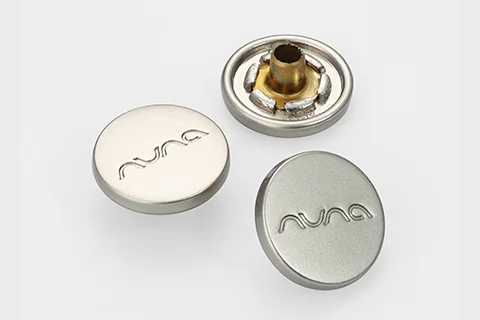
Specialised hook-and-loop fasteners: Require a tensile strength of ≥300 kg (approx. 2940 N). Used for securing seat belts to the vehicle frame, these must simulate the instantaneous forces experienced during emergency braking or collisions. The connectors custom-made by Songji for BMW child safety seats are designed precisely to this standard.
2. Corrosion Resistance Testing
Children’s prams are constantly exposed to outdoor environments: sunlight on sunny days, rain on wet days, salt spray by the sea, and even contact with pet urine. Ordinary electroplated buttons may develop rust spots within 1–2 months in damp conditions, whereas once buttons on a pram rust, not only does it affect the appearance, but the rust particles may also scratch a child’s skin or contaminate fabrics.
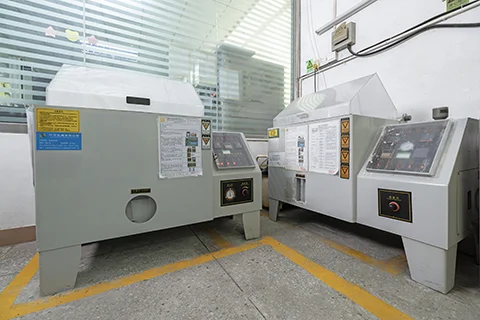
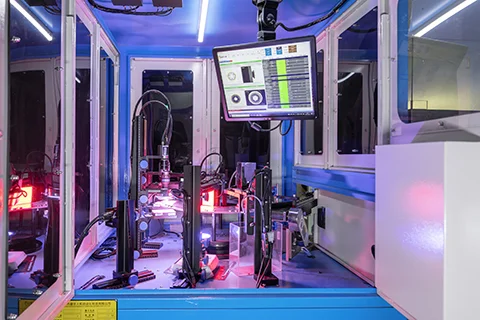
Songji can provide multi-level salt spray test solutions tailored to the client’s specific requirements.
1% concentration × 24 hours: Simulates everyday humid environments (e.g. the rainy season in southern China)
5% concentration × 24 hours: Simulates high-salt-fog environments near the coast
5% concentration × 50 hours: Simulates extreme industrial corrosion environments
3. Heavy Metal Content Control
Metal buttons on prams are frequently touched and even chewed by children. If heavy metals such as lead and cadmium exceed permissible limits, prolonged contact may result in absorption through the skin or ingestion via the mouth, damaging the child’s neurological development. Currently, major global markets (the EU, the US and China) all impose strict limits on the heavy metal content of pram accessories.
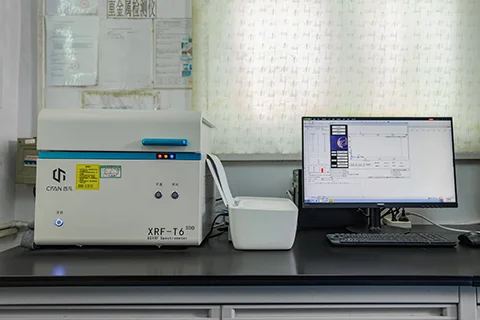
Songji’s heavy metal control standards for pram buttons require a total lead content of ≤60 ppm, which is far stricter than the EU Toy Standard EN71-3 requirement of ≤90 ppm. Furthermore, all pram buttons have passed OEKO-TEX® Standard 100 Class 1 certification (the highest safety level for infant and toddler products), and heavy metal test reports are provided with each shipment.
II. How does Songji achieve a tensile strength of 300 kg? Material and structural design
The functional roles of different components in children’s prams result in significant variations in the performance requirements for metal buttons. To achieve an ultra-high tensile strength of 300 kg, both material selection and structural design must be addressed. In terms of materials, inferior alloys containing harmful substances such as lead and cadmium must be avoided, with priority given to environmentally friendly base materials such as lead-free brass and 304 food-grade stainless steel. These materials not only possess stable chemical properties but also pass rigorous physical safety tests.
For core load-bearing components such as seat belts and car seat anchor points, high-strength metal fasteners must be selected to ensure they do not detach or deform during collisions or violent tugging; whereas for non-core components such as storage bags and sun canopies, lightweight, eco-friendly zinc alloy fasteners may be used to reduce the overall weight of the pushchair whilst maintaining stability.
The design of the fasteners must incorporate measures to prevent accidental ingestion and scratches. Fasteners used in accessories for infants under three years of age must meet size requirements to prevent accidental ingestion, with rounded edges and no sharp corners to avoid injury if a child comes into contact with them.
For pram accessories used in outdoor settings, particular attention must be paid to the fasteners’ weather resistance. Materials that have passed salt spray testing should be selected to prevent corrosion caused by rainwater or sweat, which could lead to rust and failure. Connecting components for folding prams must be designed to withstand repeated opening and closing, ensuring structural stability even after tens of thousands of cycles.
III. Supply Chain Stability to Ensure Mass Production and Delivery
A high-end pushchair may feature anywhere from a dozen to over sixty metal buttons. Should a single type of button face a supply disruption or quality fluctuation, the entire pushchair production line could be forced to halt. For pushchair manufacturers, the core requirement for suppliers is not merely the ability to supply goods, but the capacity to do so reliably and consistently when needed.
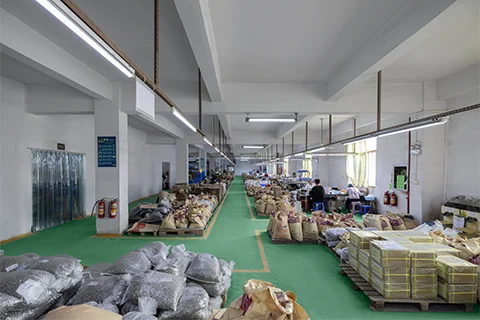
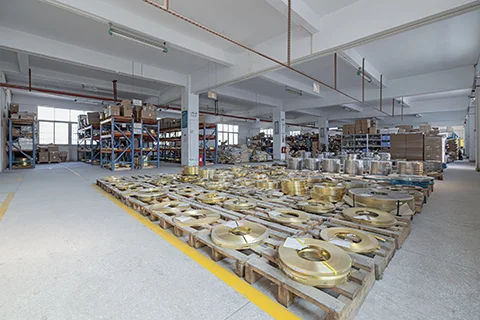
Songji operates its own factory spanning over 12,000 square metres, equipped with nearly 700 production and testing machines. At full capacity, it consumes 300 tonnes of copper and 60 tonnes of alloys per month. This scale enables the company to fulfil million-unit batch orders for brands such as NUNA and JOIE, whilst also providing small-batch prototyping for new product development. A safety stock is maintained on a daily basis to facilitate emergency replenishment within 72 hours.
Such rapid response is essential because children’s pushchairs feature a wide variety of buttons in large quantities; a shortage of any single item can bring the assembly line to a standstill.
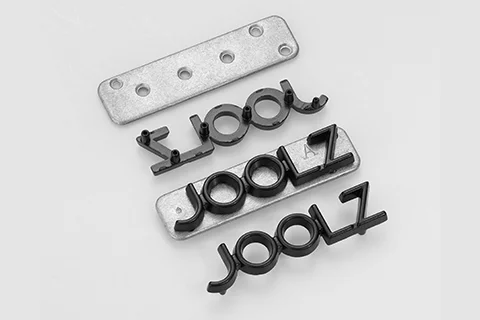
In response to the specific requirements of the children’s pushchair industry, Songji has reduced the delivery lead time for standard products to 15–20 days, whilst customised products (such as special hooks and alloy badges) are completed within 20–30 days, depending on their complexity. At the same time, Songji provides comprehensive technical support: during the prototyping stage, engineers assist children’s pram manufacturers in confirming the compatibility of buttons with fabrics; prior to mass production, they provide specific recommendations on installation mould parameters; and in the after-sales phase, should any product issues arise, they can rapidly trace the source of the affected batch.
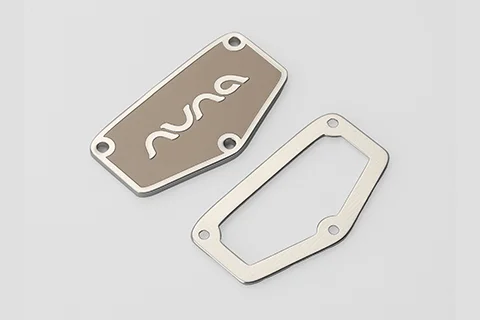
This ‘product + service’ model has established Songji as a long-term supplier to numerous well-known brands, including NUNA, BMW, TAVO, JOIE and JOOLZ.
Summary
When selecting metal buttons for children’s pushchairs, safety standards for manufacturers extend far beyond a mere 300kg tensile strength rating; they encompass multiple dimensions including usage scenarios, quality and structural design. With nearly 30 years of industry expertise, Songji possesses safety certifications, scenario-adaptability and supply chain strength. As child safety becomes an increasingly prioritised trend in the industry, selecting a reliable source manufacturer for children’s pushchairs is essential to help your products stand out in the competitive market. Contact us to obtain detailed product information and customised pushchair solutions.