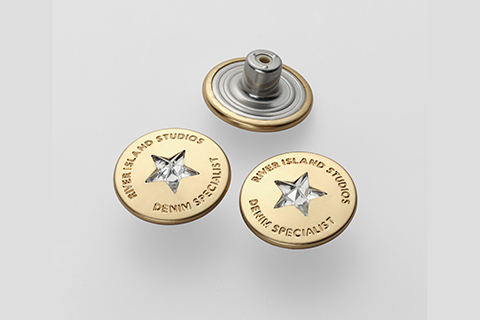
In denim apparel, the I-shaped button stands as the most commonly used metal fastener. The texture and quality of jeans buttons directly impact a clothing brand's durability and reputation. So where exactly do the differences lie between high-quality and inferior buttons? The gap extends beyond price, revealing itself in meticulous control over every detail—from raw materials to the finished product's distressed effect. This article will dissect these differences starting from the button production process and share insights on selecting high-quality denim button suppliers.
I. Differences in Durability
Internal Structure
High-quality I-shaped buttons are crafted from copper or high-strength zinc alloy, featuring a tightly integrated structure where the button face meets the stud. Premium denim buttons maintain consistent performance under simulated usage scenarios, including washing, salt spray, and tensile strength tests. For instance, China's Songji Metal Button Supplier achieves buttons that withstand over 90N of force in simulated frequent wear-and-tear tensile tests without loosening or deformation.
Corrosion Resistance
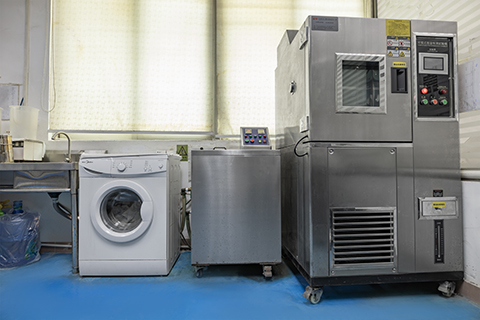
To withstand common denim processes like stone-washing and enzyme-washing, premium denim buttons undergo rigorous salt spray testing after plating or distressing. Songji Button Supplier implements high standards in production and testing, equipped with advanced facilities including heavy metal detectors, salt spray testers, and tensile testers. This enables comprehensive testing for heavy metals, salt spray (1%/5%, 24/50 hours), washing, and colorfastness, meeting the stringent requirements and standards of international brands.
In contrast, inferior metal fasteners may exhibit surface rust or discoloration after just a few washes.
II. Distinguishing Appearance, Texture, and Distressed Effects
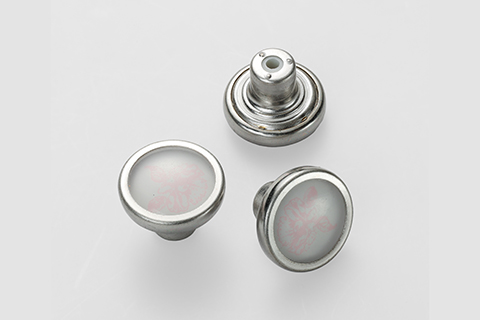
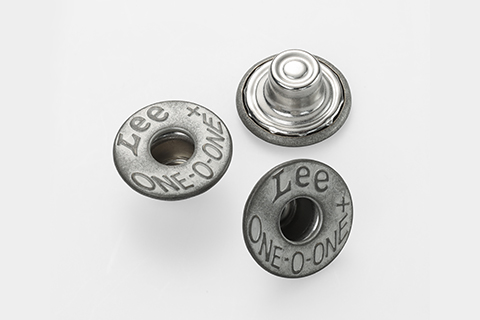
High-quality denim buttons achieve distressed effects that appear natural and layered. Through chemical distressing, professional manufacturers precisely control sodium sulfide solution concentration (e.g., 5%-10%) and reaction time to produce stable, vintage-inspired hues. Physical abrasion is then applied to replicate authentic wear patterns along edges and corners. When crafting vintage denim buttons for LEE, Songji Button Factory employs this composite process, ensuring the distressed finish remains stable even after 50 enzyme wash cycles.
Consistency and Stability in Buttons
In bulk orders, low-quality jeans buttons struggle to maintain uniform color and eliminate color variation within the same batch. Achieving consistent batch coloring relies on standardized process parameters and sample testing per batch by the button manufacturer. Inferior I-shaped buttons rarely meet such standards, often resulting in mottled colors and uneven shades.
III. Environmental Safety & Compliance
Hazardous Substance Testing
For brands exporting internationally, button environmental compliance is a mandatory requirement. Premium denim button suppliers conduct heavy metal content testing on raw materials, using spectrometers to ensure lead, cadmium, and other levels fall well below international standards. Songji Buttons holds OEKO-TEX® Standard 100 Class 1 certification, providing reliable safety assurance for its button products.
With nearly 30 years of expertise in metal buttons, Songji has customized metal buttons for international brands including GAP, LEE, Walmart, and Burberry, consistently adhering to stringent environmental and safety standards.
Additionally, leading button manufacturers adopt eco-friendly alternative processes, such as cyanide-free electroplating, to minimize environmental pollution during production.
IV. Customization, Compatibility, and Service Capabilities
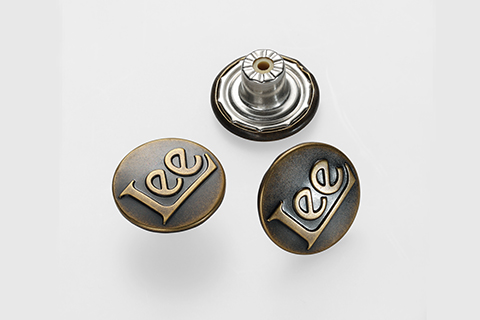
A good supplier offers personalized technical solutions tailored to a brand's specific style and fabrics. For example, when customizing denim buttons for NAERSI's high-end womenswear, Songji closely aligned with the brand's overall light luxury and elegant aesthetic, conducting R&D in shape, material, and color to make the buttons a defining touch that elevates garment quality and showcases brand identity. Similarly, when providing button customization services for the Lee brand, the focus was on meticulous craftsmanship and durability requirements.
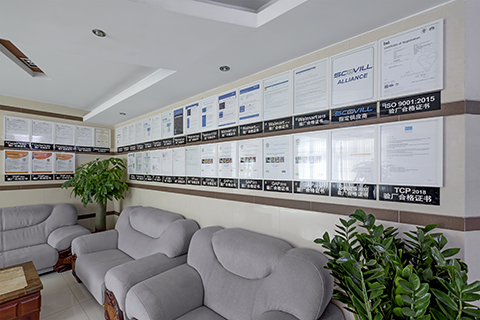
From design prototyping to mass production, reliable button suppliers offer integrated solutions. With a large-scale production base exceeding 12,000 square meters and over 30 inspection procedures, Songji has passed 72 factory audits from 8 major international brands—including GAP, Walmart, LEE, and Carter's—over nearly 9 years, demonstrating benchmark-level compliance and social responsibility credentials within the industry.
V. How to Select High-Quality Denim Button Suppliers?
1. Compliance Certifications and Safety Standards
After recognizing the differences between quality denim buttons, how should brands select suitable and reliable suppliers? We recommend evaluating manufacturers' comprehensive capabilities through the following aspects:
Prioritize button manufacturers holding OEKO-TEX® Standard 100 certification—particularly Class I certification for infant products—alongside internationally recognized certifications like GRS (Global Recycled Standard).
Suppliers with these credentials demonstrate compliance with traceable, stringent standards for hazardous substance control and eco-material application, forming the cornerstone of source-level risk mitigation.
2. Customization and R&D Design Capabilities
Evaluate whether suppliers offer end-to-end services from concept to production. Manufacturers with experience serving renowned brands like GAP, Nars, LEE, BMW, and Burberry demonstrate a deeper understanding of brand requirements. They provide integrated solutions encompassing design, material recommendations, and process selection, enabling swift execution from concept to finished product.
3. Assess Production Capacity and Delivery Capabilities
Verify the supplier's production scale, including factory floor space and equipment inventory. A proven track record of consistently delivering to international brands indicates the manufacturer has undergone rigorous testing in production management, supply chain coordination, and rapid replenishment systems, resulting in mature, systematic solutions.
The distinction between superior and inferior denim buttons lies in a systemic gap spanning manufacturing processes and quality control standards. Selecting a high-quality denim button supplier ensures data-validated durability and safety, along with an aged aesthetic that withstands the test of time.
For brands, selecting a reliable metal button supplier translates to reduced supply chain risks and buttons with quality that minimizes subsequent liability concerns. If you're seeking China's premier button manufacturer, contact Songji. They offer full-chain OEM/ODM services spanning mold development, production manufacturing, and surface finishing. Reach out to them today!