Between 8% and 19% of European adults are allergic to nickel, and among women the figure is closer to 22%. For a high-end garment, a single metal button that releases nickel can be the start of a complaint, a return, or even a reputation crisis.
That is why nickel-free and eco-compliance are becoming non-negotiable thresholds in high-end metal button sourcing. Songji has made metal buttons and garment hardware for 27 years and knows how strictly European buyers check both points.
If you are sourcing metal buttons for a premium brand, this guide explains why nickel-free and eco-compliance are worth getting right from the start.
I. Why Nickel Allergy Makes Metal Buttons Risky
Nickel is the most common contact allergen in the world, and metal garment hardware is one of its main sources. In the European general population, nickel allergy runs between 8% and 19%, reaching around 22% in women against only about 5% in men.
Sweden has the lowest rate, at 8.3%, precisely because it was among the first countries to regulate nickel. That single figure shows the condition can be pushed down through control.
For a high-end brand, nickel allergy is not a rare event. When skin against a metal button turns itchy, the customer's first thought is not "I am allergic" but "there is something wrong with this button". For luxury labels, that kind of complaint cuts straight into the two things they guard most: quality and trust.
Nickel-free is therefore not a bonus but the baseline for high-end metal buttons. A button that contains nickel can look fine leaving the factory, yet drag the brand into trouble weeks later through a case of dermatitis.
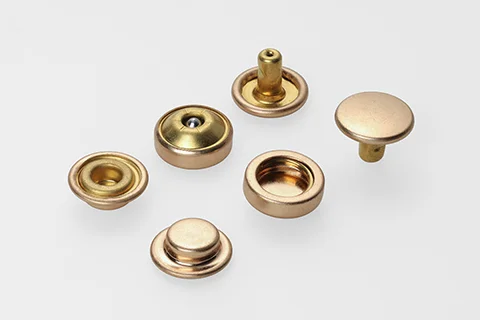
II. What Nickel-Free Means for Metal Buttons
Here is a common misunderstanding: nickel-free does not mean the material contains no nickel. What the law actually controls is nickel release, the amount of nickel that dissolves out of the surface and reaches the skin.
Under Annex XVII, Entry 27 of the EU REACH regulation, the limit for metal parts in prolonged skin contact is 0.5 micrograms per square centimetre per week. Proving compliance depends not on a label that says nickel-free, but on a nickel release test report under the EN 1811 standard.
In other words, whether a metal button can be called nickel-free is a measurable, retestable number, not a marketing phrase. That is what a buyer should press on: ask the factory for a nickel release report rather than accepting a spoken promise.
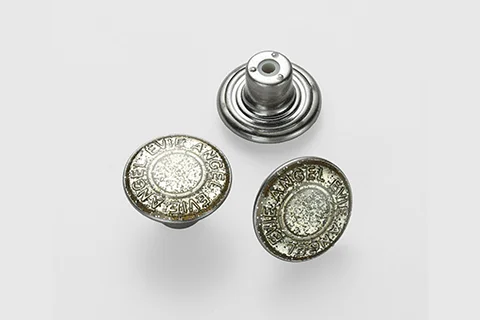
III. Making Nickel-Free Metal Buttons and Snap Fasteners
Going nickel-free is half material choice and half plating. On the material side, nickel-free alloys or low-nickel stainless steel reduce nickel release at the source. On the plating side, the difference between processes is even larger.
Traditional electroplating often uses nickel as an underlayer, then plates copper and chromium on top. The process is mature and cheap, but once the nickel layer wears and is exposed, it can leach out. PVD vacuum plating takes a different route: it deposits metal atoms directly onto the surface in a vacuum, producing no nickel deposition and none of the hexavalent chromium found in electroplating wastewater.
Songji's custom nickel-free metal buttons and snap fasteners are backed by salt spray testing, ordinary buttons at 1% concentration for 24 hours and trimmings for luxury garments at 5% for 50 hours. The coating stays durable and does not leach anything it should not as it wears.
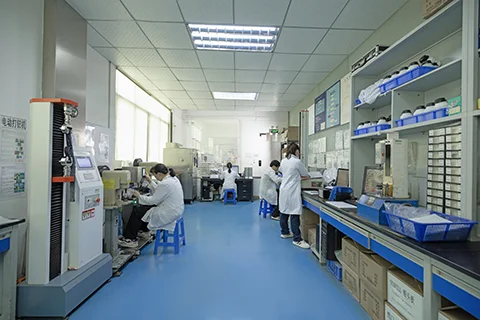
IV. Eco-Compliance Beyond REACH for Metal Trimmings
Many people think eco-compliance means REACH alone. It is actually a stacked system. REACH governs whether a harmful substance may be used at all, the legal floor. OEKO-TEX governs whether textiles and trimmings are safe, with Class I aimed at baby products. GRS governs whether recycled material is traceable, the credential for sustainable sourcing.
This system only gets stricter. The EU's ESPR ecodesign regulation is now in force, and from 2028 garment hardware must carry a digital product passport laying out materials, durability and traceability. For a buyer, that means choosing a supplier is no longer just about certificates, but about keeping pace with an increasingly detailed set of requirements.
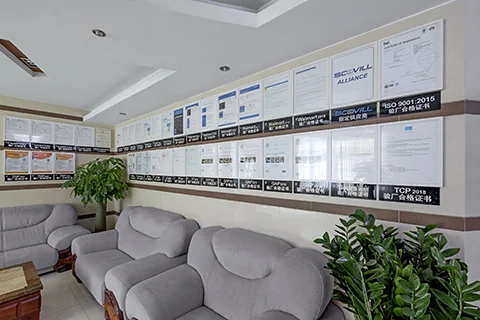
Songji's metal trimmings hold OEKO-TEX Standard 100 Class I certification, alongside ISO 9001:2015 and GRS. Together these three cover safety, quality and sustainability, the first things a European high-end buyer reaches for during an audit.
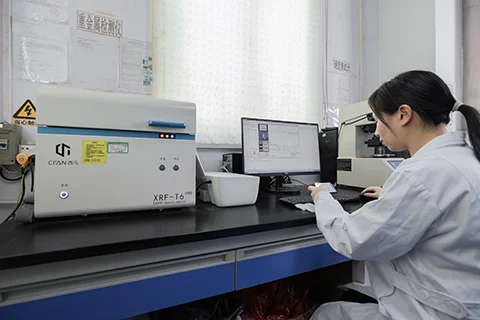
V. Green Claims and Jeans Buttons Compliance Risk
There is another eco-compliance trap, and it sits in the brand's own marketing. From 27 September 2026, the EU's greenwashing directive takes effect: vague claims like "eco-friendly" or "green" can no longer be made without certification or data to back them.
What does that mean when sourcing jeans buttons and tack buttons? It means that when a brand makes environmental claims, it will in turn demand hard evidence from its suppliers that the metal parts really are low-impact, rather than carrying the greenwashing risk itself.
A dependable supplier does not answer with an empty line like "we are very eco-friendly". It hands over verifiable certificates such as GRS and OEKO-TEX, so you have something to stand on when you talk to the market. That is part of eco-compliance in itself.
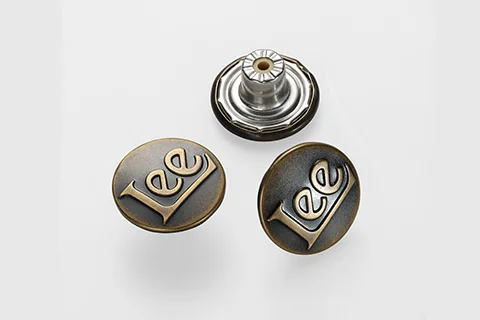
VI. What High-End Brands Check on Metal Buttons
Pull the two threads together and what a high-end brand actually checks when buying metal buttons comes down to a short list: a nickel release report, an OEKO-TEX Class I certificate, a traceable GRS, nickel-free vacuum plating rather than electroplating, and a history of repeated audits.
Songji has something to show on both nickel and eco-compliance. Nickel release and heavy metals are tested as soon as raw material enters the factory; on certification it holds OEKO-TEX Class I, ISO 9001 and GRS; and over the past 10 years it has passed 72 factory audits from brands including Walmart, GAP, VF, Carhartt and Carter's.
PORTS' high-end women's wear metal buttons are made to that same nickel-free, baby-grade standard. For a buyer, getting these two things right early saves trouble later, because what is lost is never the cost of one button but the trust a brand values most.
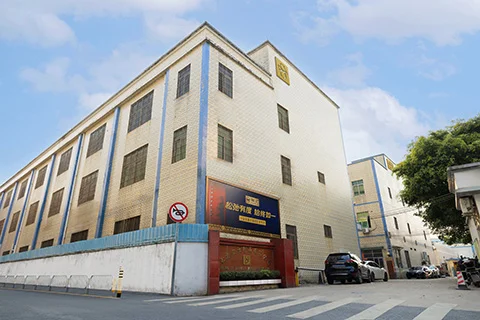
Songji is based in Guanlan, Longhua, Shenzhen, with a 12,000-square-metre factory and nearly 700 machines covering high-speed automatic presses, CNC machining centres and mirror-spark machines. It is a source factory that has focused on custom metal buttons and garment hardware for 27 years. The product line covers metal buttons, snap fasteners, jeans buttons, tack buttons, shank buttons, rivets, metal badges, hooks and belt buckles, in copper, stainless steel, iron, aluminium and alloy. The factory holds ISO 9001:2015, OEKO-TEX Standard 100 Class I and GRS certification, has passed 72 audits from international brands over the past 10 years, and keeps its full-batch defect rate below 0.3%.
If you are sourcing metal buttons for a premium brand, and especially for a baby brand like Carter's where nickel-free matters most, we would be glad to talk. Want to learn more? Contact us.