In industries such as clothing, luggage and outdoor equipment, bulk purchasing of metal buttons not only reduces unit costs but also ensures supply chain stability. However, faced with the two mainstream materials—zinc alloy and stainless steel—many brand buyers are unsure which is more suitable for their products. Choosing the wrong material may lead to rusting or breakage of the buttons, and could even affect the quality and reputation of the entire batch.
In this blog post, we will analyse the properties and differences between zinc alloy and stainless steel metal buttons to help you make an informed choice based on your specific application, and share tips on how to identify reliable metal button suppliers. Please read on!
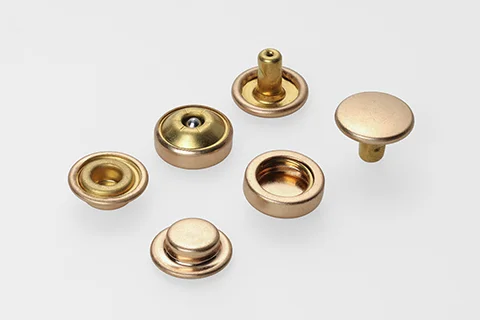
I. Comparison of the Properties of Zinc Alloy and Stainless Steel
Zinc alloy and stainless steel are the two most widely used types in the wholesale market, yet their physical properties differ significantly. Zinc alloy is based on zinc, with elements such as aluminium, copper and magnesium added during smelting. Stainless steel, on the other hand, is based on iron, with elements such as chromium and nickel added.
The density of zinc alloy is approximately 6.7 g/cm³, which is only about 80% that of stainless steel, making it suitable for weight-sensitive garments such as shirts and children’s clothing. Zinc alloys possess excellent casting fluidity, enabling the precise reproduction of complex designs such as three-dimensional reliefs and intricate textures; consequently, they are frequently used for fashion-oriented decorative buttons.
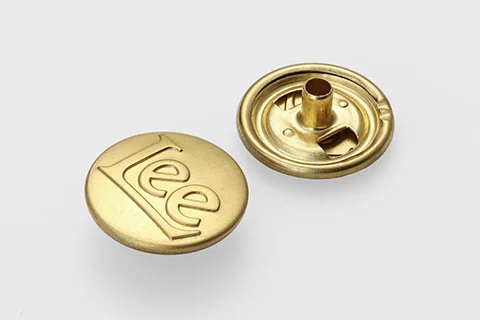
However, zinc alloys have relatively poor corrosion resistance; prolonged exposure to damp or acidic/alkaline environments can easily cause the buttons to oxidise and discolour, necessitating surface treatments such as electroplating or spraying to enhance protection. The zinc alloy I-shaped buttons custom-made by Songji Buttons for LEE jeans have undergone cyanide-free electroplating and anti-rust coating. During testing, they passed a 72-hour salt spray test without rusting, and their durability exceeds ten thousand cycles.
Common stainless steel grades include 304 and 316L, with a density of approximately 7.9 g/cm³. They feature high hardness and exceptional corrosion resistance. 316L stainless steel can even withstand the erosion of chloride ions in marine environments, making it suitable for demanding applications such as outdoor wear, workwear and nautical apparel. The cool metallic sheen of stainless steel complements minimalist styles, and nickel-free plating ensures compliance with environmental standards. The drawbacks of stainless steel buttons include the difficulty of processing, higher costs and relatively greater weight; they are therefore best suited to customers who are not particularly sensitive to weight considerations.
II. Selecting Materials Based on Application
Different clothing categories have varying requirements for button hardness, toughness and corrosion resistance. It is recommended that brands and buyers select materials based on the intended application to avoid incorrect choices.
Scenario 1: Outdoor clothing, workwear and luggage
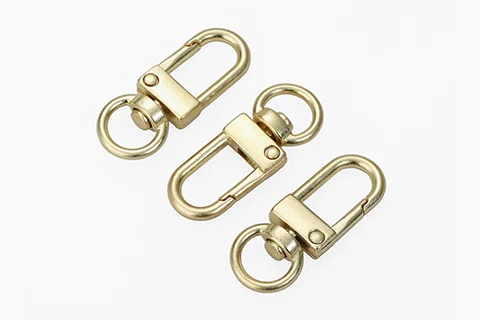
As these products are frequently exposed to rain and sweat and subjected to frequent tugging, it is recommended to prioritise 304 or 316L stainless steel. The high hardness and corrosion resistance of these materials ensure that buttons are unlikely to rust in damp environments. For outdoor gear and workwear—which are used long-term in harsh conditions—Songji Button Factory produces buttons with tensile strengths exceeding 90N; certain specialised hook-and-eye fasteners can even withstand up to 300kg, meeting stringent usage and safety standards.
Scenario 2: Women’s Fashion and Fast Fashion Brands
Women’s fashion prioritises the aesthetic design and lightweight nature of buttons, making zinc alloy an ideal choice. Following high-quality electroplating, zinc alloy buttons can also pass a 48-hour salt spray test without rusting. The four-piece buttons custom-made by Songji Buttons for high-end women’s fashion brands such as Ying’er and Winner undergo over 30 quality control procedures to ensure consistent colour across different batches and stable fastening.
Scenario 3: Children’s and Baby Clothing and Products
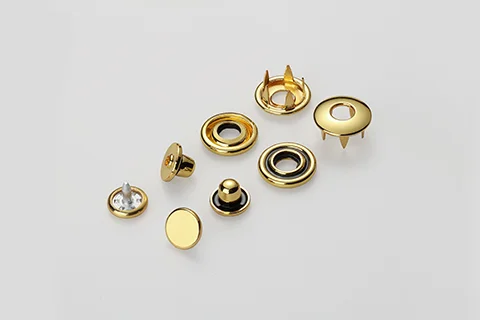
For buttons intended for children and infants, safety is paramount. We recommend selecting nickel-free zinc alloy or eco-friendly copper as the base material. Songji Buttons conducts heavy metal testing right from the raw material stage, ensuring quality control from the source. Furthermore, the edges of buttons used in baby clothing and products must be rounded to prevent scratching the baby’s skin. The metal buttons custom-made by Shenzhen Songji Button Factory for Carter’s and Combi have a total lead content controlled within 60 ppm and have passed OEKO-TEX® Standard 100 Class 1 certification. The buttons feature a rounded-edge design to prevent scratching the skin of infants and young children.
Scenario 4: Denim Apparel and Casual Trousers
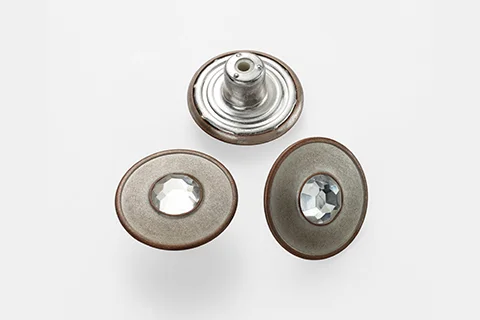
Denim trousers must withstand repeated washing and vigorous pulling, making brass or stainless steel I-shaped buttons and rivets the mainstream choices. If zinc alloy is used, the plating layer must be thickened and the structure reinforced. The denim buttons custom-made by Songji Buttons for LEE and DIESEL utilise a brass base with a thickened plating process, achieving a tensile strength of over 150N and maintaining their shape after 50 enzyme wash tests.
III. Common Misconceptions in Wholesale Procurement
1. Focusing solely on price whilst neglecting long-term costs
Low-cost zinc alloy buttons may have a thin plating layer, leading to issues such as rust after just a few months of use. The subsequent after-sales problems and losses far outweigh the savings made on the initial cost of the buttons.
2. Neglecting the surface treatment process of buttons
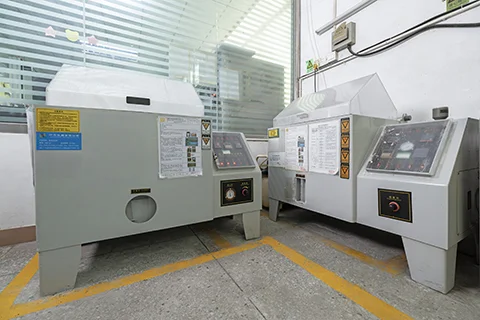
Even with the same zinc alloy, differences in plating thickness and process can result in corrosion resistance varying by a factor of several times. Reliable metal button manufacturers implement rigorous testing during production. For example, Shenzhen Songji Buttons offers multi-level salt spray tests at concentrations of 1% and 5% for durations of 24 and 50 hours, respectively, to ensure the quality of the plating and the buttons themselves.
3. Failing to require button traceability
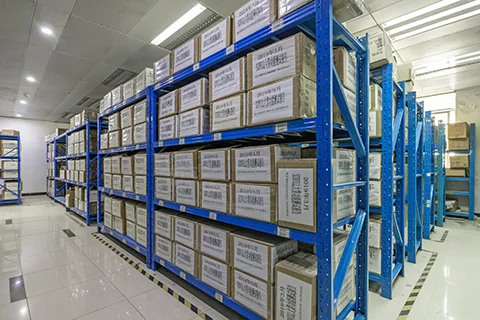
When button quality issues arise, suppliers without batch records cannot be held accountable. Songji Buttons provides a unique label for every batch of products, ensuring full traceability from raw materials to finished goods; relevant inspection records and samples must be retained for at least five years.
IV. Summary and Recommendations
Whether choosing zinc alloy or stainless steel buttons, the essence lies in balancing cost, design and durability. Zinc alloy is the preferred choice for everyday fashion and children’s wear; stainless steel is recommended for outdoor wear, workwear and humid environments. Regardless of the material, it is essential to select a metal button manufacturer with full accreditation, sufficient production capacity and stringent quality control.
With nearly 30 years of experience in metal button manufacturing, Songji Buttons provides bulk customisation services to over 500 brands, including Armani, Burberry, LEE, GAP, NUNA and BMW. With a 12,000 m² factory, 700 pieces of equipment, and authoritative certifications such as OEKO-TEX®, GRS and ISO 9001, if you are seeking a reliable wholesale supplier of metal buttons, please feel free to contact us for samples and quotations.