The hardest part of sourcing metal buttons in China is not finding a factory but judging one. Trade shows, B2B platforms and a Google search will hand you hundreds of suppliers, with quotes running from fractions of a cent to several cents per button. What a quote cannot tell you is whether there is a real factory behind it and whether the quality control actually holds. Songji has made metal buttons for 27 years, and in that time we have watched too many buyers chase the lowest price and land in trouble over delivery, quality and audits. If you are sourcing metal buttons and want to know how to find metal button factories in China, this guide walks you through the whole process, from finding candidates to vetting them and running a final audit.
I. Why Price Is Not Enough When Choosing a Metal Button Factory
The most common mistake buyers make is treating the lowest price as the only filter. A snap fastener or a jeans button quoted a few cents cheaper looks nearly the same, but what the lower price usually cuts away is three things: incoming material testing, quality-control steps and test records.
Cut material testing and nobody knows whether the lead content is over the limit. Cut the quality-control steps and the defect rate climbs from 0.3% to 5%, which on a garment line means batch returns. Cut the test records and there is nothing to trace when a problem appears, so the brand carries the whole loss.
The lower price also often means weaker delivery and capacity. In peak season a small workshop cannot take the order, misses the ship date, and the brand loses far more by missing the selling window than it saved on the unit price. So the order of things matters: judge reliability first, then price, never the other way round. That is the first rule of how to vet a metal button factory.
II. Where to Find Metal Button Factories in China
There are four main channels for finding a metal button factory in China: trade shows, B2B platforms, Google search and word of mouth.
Trade shows — the Canton Fair in Guangzhou, the Hong Kong fashion weeks and specialist hardware and accessories fairs — let you see samples and question the production process face to face, which is the most direct, but they cost money. B2B platforms and Google return the longest lists, and also the most noise; searching "metal button manufacturer China" brings up thousands of results, most of them traders. Word of mouth is the most reliable, but it needs industry contacts.
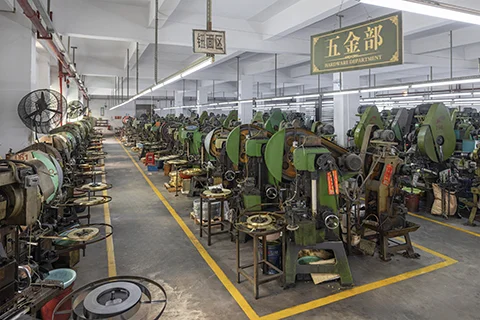
One point worth watching: a fair share of the suppliers on trade shows and platforms are not factories but trading companies. A trader produces nothing, places the order with a workshop behind the scenes, adds a margin on top, and makes the communication chain longer when problems appear. To tell a source factory from a trader, check three things: real photos of its own workshop and machines, an address and contact person for an on-site audit, and a product line it runs in full itself. A genuine factory can show all three, and reliable metal button manufacturers in China do exactly that.
III. Screening Metal Button Manufacturers Online
Once you have a shortlist, the first round of screening can be done online. Start with the website: is the product line complete, are there real factory photos, and can the certifications and audit records be checked.
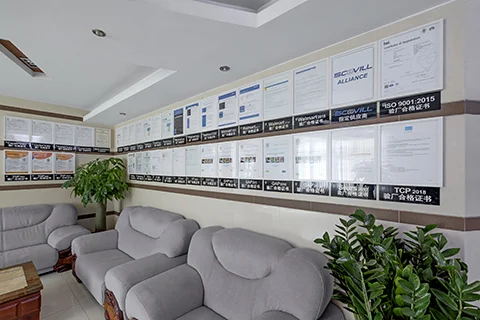
A supplier whose website shows no certification information and only a few product photos can mostly be skipped. Look past the homepage: a genuine factory shows workshop photos that are clearly its own, lists certification numbers you can verify, and posts real case pages for the brands it has supplied. Then look at the certifications. For metal buttons headed to Western markets, OEKO-TEX Class I, ISO 9001:2015 and GRS are the hard currency. OEKO-TEX Class I is the infant-grade standard that caps lead, nickel release and azo dyes at the strictest level, ISO 9001:2015 shows a real quality-management system, and GRS covers recycled content for brands that need it. A supplier who holds them has a quality system in place.
Finally, check response speed and expertise. Ask about tensile strength, salt spray and heavy metals one by one, and see whether the other side answers immediately and precisely. That is the first test of whether they really know the product. Our own website puts certifications, audit records and factory photos on display, so a buyer can spot the difference in this first round.
IV. Hard Numbers to Ask a Metal Button Supplier
Past the first screening, real vetting means asking a supplier to back its claims with numbers. The first is its audit record.
Whether a metal button factory has been audited by international brands, and how many times, is the hardest trust signal there is. Songji has passed 72 audits from international brands over the past 10 years, and brands such as Walmart, GAP, LEE and Carter's each stress something different — Walmart on labour and human rights, GAP on process, VF on standards. A factory that can hold all of these at once has a quality system you can rely on.
The second is quality-control data: the defect rate, the lead limit and the tolerance. A factory worth trusting can state its numbers — a defect rate below 0.3%, a lead limit of 60 ppm, a tolerance of ±0.05 millimetres for standard parts and ±0.025 for functional parts, and a snap fastener tensile strength of 35 kilograms or more. The third is the machines: the number and precision of presses, CNC centres and spark machines decide capacity and consistency. For every one of these, ask for evidence you can check, not a spoken "our quality is very good".
V. What to Check in a Metal Button Factory Audit
After the online checks, an on-site factory audit is the final gate, and four things matter most.
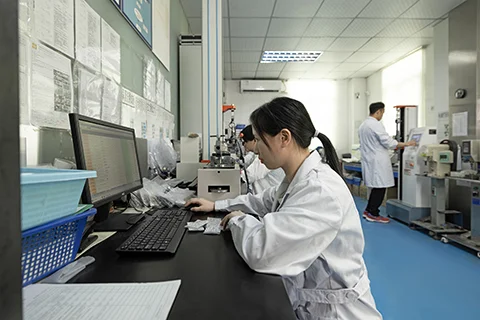
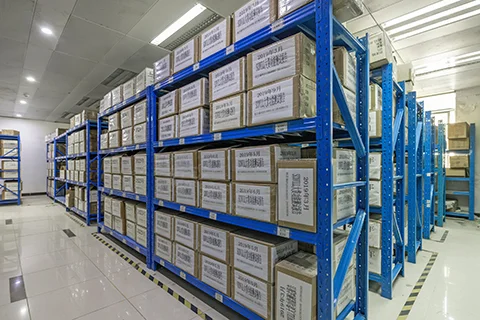
First, the raw material. Does the plant run a spectrometer and a heavy-metal analyser, so material is tested on arrival before production and the lead content stays within 60 ppm. A spectrometer reads the alloy composition of the incoming copper, stainless steel or zinc, and a heavy-metal analyser screens for lead and other restricted metals, so a bad batch is caught before it is ever stamped. Second, the workshop. Are the machines actually running, is the tooling organised, are the line workers skilled. Third, the testing. Are the tensile, salt-spray and heavy-metal test machines complete, and is the test method standardised. Salt spray is a good example: a standard button should hold 1% concentration for 24 hours, while luxury garment accessories are held to 5% for 50 hours, and a factory should be able to state which tier it tested to. Fourth, the records. Are test reports kept batch by batch, and for how many years, so a problem can be traced back to which material and which step.
Our practice is to keep test records for at least five years per batch, so every order can be traced back to its own report. Read these four and you have a fair picture of a factory's quality-control foundation.
VI. Red Flags When Vetting Metal Button Factories
At the end of vetting there are four types of supplier to watch for. The first is a trader posing as a factory, quoting factory prices while handing the order on and passing the buck when trouble comes. The second is the one that grabs orders with a low price and gambles on delivery, then vanishes in peak season.
The third is the one with salespeople but no quality-control team, whose samples look good while the mass production collapses. The fourth is the one with patchwork reports, using last year's paper for this year's batch, where the records do not line up.
The way to tell is simple: can you reach the workshop directly, can you audit the factory any time, are the test reports provided batch by batch, and are the samples and the mass production held to the same standard. Answer yes to all four and the supplier is basically sound; if they hedge, move on. Songji is a source factory, so buyers deal with the workshop directly and can audit the plant any time, which is how we have always worked.
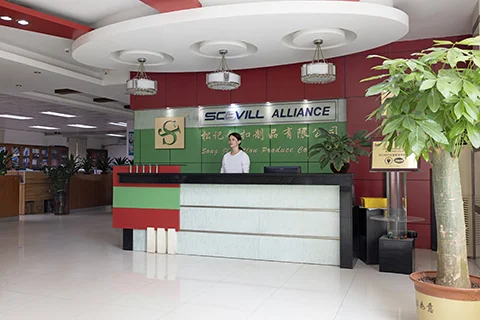
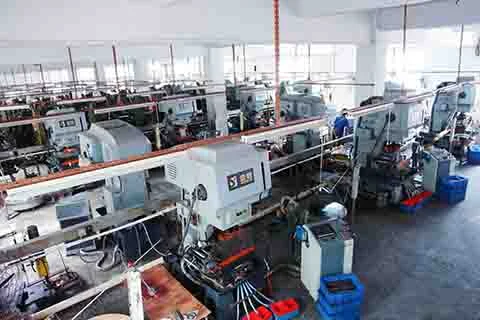
Songji is based in Guanlan, Longhua, Shenzhen, with a 12,000-square-metre factory and nearly 700 machines covering high-speed automatic presses, CNC machining centres and mirror-spark machines. It is a source factory that has focused on metal buttons and garment hardware for 27 years. The product line covers metal buttons, snap fasteners, prong snaps, jeans buttons, tack buttons, shank buttons, rivets, metal badges, hooks and belt buckles, in copper, stainless steel, iron, aluminium and alloy, with more than 10,000 styles, so one factory can carry the full hardware of a garment line. The factory holds ISO 9001:2015, OEKO-TEX Standard 100 Class I and GRS certification, has passed 72 audits from international brands over the past 10 years, has long supplied metal buttons and accessories to Walmart, GAP, LEE and Carter's, and keeps its full-batch defect rate below 0.3%. If you are sourcing custom metal buttons for an apparel line, we would be glad to talk. Want to learn more? Contact us.