Trims are the smallest part of a garment and the easiest place to fail EU compliance. A button, a snap fastener, a zipper pull or a metal badge all sit directly against the skin, so trims that exceed heavy-metal or nickel-release limits can get a whole shipment held at customs or returned from stores. Yet most buyers pour their attention into fabric and leave trims without a test report, or with one that does not match the batch. If you are a clothing brand or buyer sourcing apparel trims and you are not fully clear on REACH and OEKO-TEX, this guide explains what each standard covers, how they work together, and how to use them when you buy.
I. Why Apparel Trims Need REACH and OEKO-TEX
Whether a trim passes a standard is not optional. Fabric can hold an OEKO-TEX certificate, but if the trims have no report, the finished garment still cannot claim compliance. EU regulation does not care which part is bigger; it cares which part touches skin.
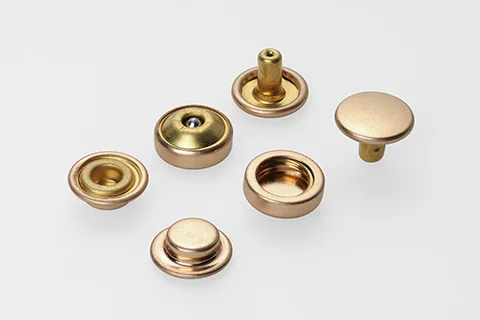
Buttons, snap fasteners, zipper pulls, badges and rivets all count as metal parts in prolonged skin contact, which means their nickel release and their lead and cadmium content carry hard limits. Songji has made metal trims for 27 years, and we have watched too many orders stall on this one link — fabric cleared early, trims stuck without a report, goods sitting in a Hong Kong warehouse waiting on one piece of paper.
II. What REACH Regulates in Apparel Trims
REACH is the EU chemicals regulation, and for apparel trims it does two jobs. The first is the SVHC candidate list, which currently holds 253 substances; n-hexane and the bisphenols BPAF and BP-AF were added in February 2026. If a trim contains a candidate substance above the threshold, the supplier must declare it and may face restrictions on the market.
The second job is Annex XVII, the restriction list, which sets hard content limits on specific substances. For metal trims, three lines matter most: nickel release, no more than 0.5 micrograms per square centimetre per week for metal parts in prolonged skin contact, measured to EN 1811; lead, limited to 0.05% — 500 ppm — for fashion accessories and trims; and cadmium, limited to 0.01% — 100 ppm — for metal parts. These three are the lines a trim cannot cross on its way into the EU.
Buyers often blur the three REACH lists into one. The candidate list flags substances for monitoring; the authorisation list bans substances unless a specific use is approved; the restriction list sets the numeric limits a product must meet. For a trim supplier, the restriction list is the one that decides whether the goods can ship, which is why those three metal lines sit there.
III. What OEKO-TEX Standard 100 Covers
OEKO-TEX Standard 100 is a textile-harmful-substance certification, and it differs from REACH in kind. REACH is law, mandatory; OEKO-TEX is certification, voluntary, but it has become a pass in the Western apparel supply chain.
It splits products into four classes by how closely they touch skin. Class I covers babies and infants, with the tightest limits; Class II covers items in direct skin contact, such as shirts and blouses; Class III covers items that touch skin only lightly, such as jackets; Class IV covers decorative materials and home textiles. For metal trims, the class a buyer needs usually falls to Class I or II, because buttons and fasteners sit directly on the skin.
For metal trims, OEKO-TEX tests a whole group of harmful substances — total lead, extractable lead, nickel release, azo dyes and phthalates among them. In Class I, the total lead limit is 90 ppm and extractable lead is 0.2 ppm. A trim without an OEKO-TEX certificate is simply dropped from many brands' supplier lists.
One detail buyers miss: OEKO-TEX is not a one-time stamp. It is an annual renewal backed by market spot checks, so a certificate with a current expiry date means far more than a logo sitting on a website. Ask for the certificate number and check its validity window rather than trusting the badge.

IV. How REACH and OEKO-TEX Work Together
Think of the two standards as a legal floor plus a supply-chain pass, and the confusion clears. If you search "REACH vs OEKO-TEX", the honest answer is that they are not rivals but two layers of the same goal. REACH is the legal baseline you must meet to sell into the EU, deciding whether a trim can be sold at all. OEKO-TEX is the voluntary certification brands look for, deciding whether a trim is worth trusting. They do not conflict; they stack.
Which one you need depends on the route. Selling into the EU at all means REACH compliance is non-negotiable. Selling to a brand with an OEKO-TEX requirement, or into a baby and infant line, means you need the certificate on top. Most serious buyers end up asking for both, which is exactly why a supplier should be able to answer to either one.
The real difference shows in capability, because the legal limit and the certification limit leave a gap. Take lead: REACH allows 500 ppm, OEKO-TEX Class I allows 90 ppm, and Songji holds the lead content of its metal trims within 60 ppm — stricter than the OEKO-TEX infant level and about eight times stricter than REACH. That margin below the limit is the thing a buyer should actually watch.

V. A Compliance Checklist for Apparel Trims
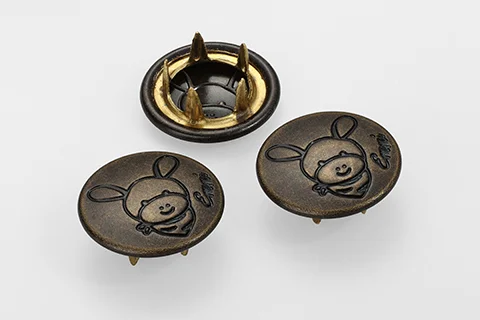
Sourcing compliance can be broken down by trim type. For metal buttons, snap fasteners, rivets and zipper pulls, the focus is nickel release, lead and cadmium. For dyed, painted or plated trims, add azo dyes and phthalates to the list.
The risk also shifts by how the trim is used. A zipper pull is grabbed and touched constantly, so its nickel release matters more; a metal badge hides risk in its plating layer and in the pigments of its paint; a snap fastener has four parts — cap, socket, stud and post — and the test has to cover all four, not just the cap. Match the test to the part, and most of the surprises disappear.
Apparel trims testing sounds technical, but at the sourcing level it reduces to three questions on the report. When you ask for a report, check three things: whether it tested the whole part rather than only the cap; whether the report's batch matches the goods in front of you; and whether heavy metals and azo dyes were left out.
The most common places trims fail are invisible on the surface. Nickel hides in the plating under-layer, because electroplating needs a nickel base for adhesion; lead and cadmium ride in on cheap pigments used for painted or sprayed finishes. A trim that looks fine can still fail the test, which is why the report matters more than the appearance.
Our approach is to test the moment raw material enters the plant, running a spectrometer and a heavy-metal analyser before production, then testing finished parts for tensile strength and salt spray, and keeping test records by batch for at least five years so a report always points back to the exact goods you received.

VI. Using Both Standards to Vet a Supplier
The last step is turning the standards into a screening move. Three questions will cut out most weak suppliers: can your trims pass the nickel, lead and cadmium lines in REACH Annex XVII; do you hold an OEKO-TEX Class I certificate, and which trims does it cover; and can you issue test reports batch by batch.
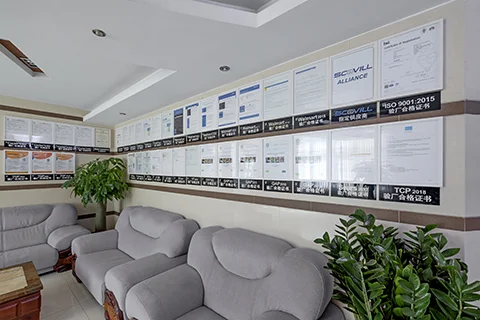
Songji holds OEKO-TEX Standard 100 Class I, ISO 9001:2015 and GRS certification, has passed 72 audits from international brands over the past 10 years, keeps its full-batch defect rate below 0.3%, and has long supplied metal trims to Walmart, GAP, LEE and Carter's.
Songji is based in Guanlan, Longhua, Shenzhen, with a 12,000-square-metre factory and nearly 700 machines covering high-speed automatic presses, CNC machining centres and mirror-spark machines, a source factory focused on custom metal trims for 27 years. The product line covers metal buttons, snap fasteners, prong snaps, jeans buttons, shank buttons, rivets, eyelets and metal badges, in copper, stainless steel, iron, aluminium and alloy, with more than 10,000 styles. If you are sourcing apparel trims and want REACH and OEKO-TEX compliance that stops being a guessing game, we would be glad to talk. Want to learn more? Contact us.