To determine whether a suit is of high quality, start by examining its buttons. In suit-making, while buttons are considered an accessory, they serve as the finishing touch. They not only fasten the lapels but also convey the suit’s overall character and the brand’s ethos through their material, luster, craftsmanship, and design.
For buyers, product developers, and supply chain managers at suit brands, selecting the right metal buttons for different suit styles and making precise decisions during wholesale procurement and custom development are critical steps in ensuring the quality of the finished garments.
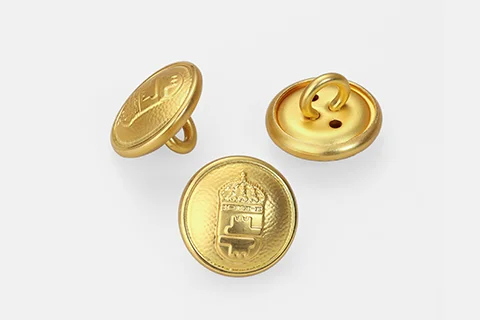
This article will analyze the key considerations for selecting metal suit buttons from four dimensions—material properties, craftsmanship standards, customization capabilities, and supplier strength—to help brands quickly find the ideal button manufacturer.
I. Material Selection and Characteristics of Metal Suit Buttons
Metal buttons made from different materials vary significantly in texture, physical properties, and cost, requiring comprehensive consideration based on the suit’s fabric, style, and intended wear scenarios.
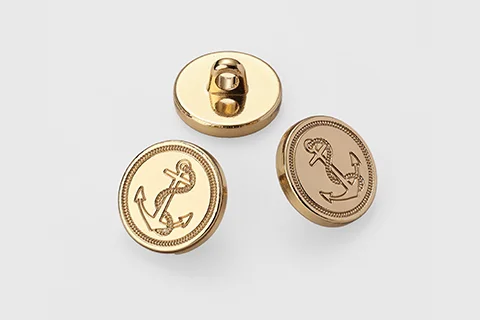
Brass is a common choice for high-end suits, typically containing ≥99.5% copper, and offers excellent malleability and a warm, lustrous finish. When polished, brass buttons exhibit a bright mirror-like finish, making them ideal for business suits; when finished with a matte or antiqued treatment, they take on a subtle, vintage texture that complements casual suit styles. Over time, brass develops a natural patina, and these “traces of time” actually enhance the suit’s aged character.
Songji Buttons custom-manufactures metal accessories for luxury brands such as Armani, Burberry, and PORTS. Through precise surface finishing techniques, we ensure the buttons’ luster perfectly complements the garments.
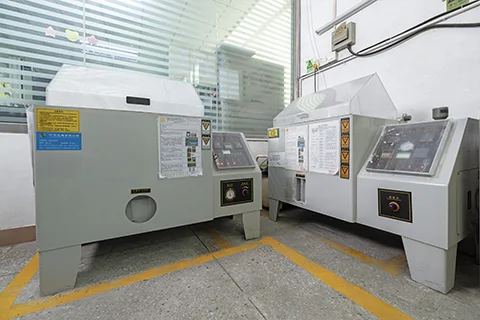
Stainless steel is renowned for its exceptional corrosion resistance, making it ideal for functional suits or products designed to withstand humid environments. High-quality stainless steel buttons pass the 72-hour salt spray test without rusting, ensuring consistent performance across various climatic conditions.
Zinc alloy offers excellent value for money and superior formability, enabling complex design shapes to meet the diverse aesthetic demands of fashion suits. Songji’s product library exceeds 10,000 styles, covering materials such as solid copper, stainless steel, and zinc alloy, providing brands with a wealth of options.
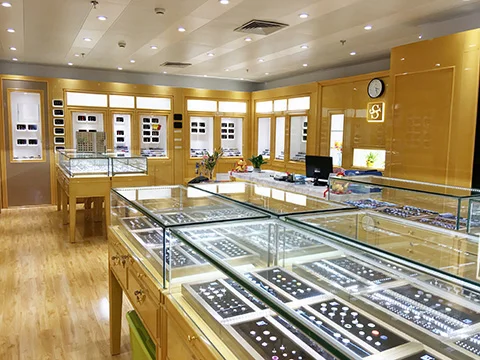
In terms of material control, professional Chinese metal button suppliers establish strict screening mechanisms. Songji’s acceptance standards require eco-friendly copper to have a copper content of no less than 99.5%, and total lead content is consistently maintained below 60 ppm using heavy metal detectors. These high standards also meet international brands’ zero-tolerance requirements for harmful substances.
II. How Do Manufacturing Standards Determine the Texture of Buttons?
Buttons made from the same material can exhibit completely different textures depending on the manufacturing process. For garments like suits, which require a sense of texture and quality, the surface treatment process of the buttons also determines the visual sophistication and tactile experience of the suit.
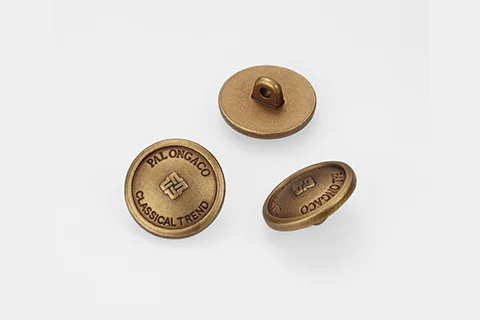
In terms of electroplating, a micron-level precious metal coating can be applied to the surfaces of copper and stainless steel. This not only enhances gloss but also extends corrosion resistance by 2–3 times. Songji Button Factory employs a cyanide-free electroplating process, which significantly improves coating adhesion. After 2,000 friction tests, there is still no sign of the base material showing through, far exceeding the industry standard of 500 tests.
Surface treatment processes include a variety of effects such as polishing, brushing, sandblasting, matte finishes, and antiquing. Business suits typically pair well with a high-polish mirror finish to convey a refined, professional look; while casual suits are better suited to matte or brushed finishes, aligning with relaxed and natural wearing scenarios.
III. Key Considerations for Wholesale Purchasing and Custom Development
Wholesale metal buttons and custom development are two distinct procurement models, each requiring different areas of focus.
When purchasing metal buttons for suits in bulk, the three primary considerations are the supplier’s inventory stability, quality control, and rapid restocking capabilities.

• Inventory Stability:
Does the supplier possess large-scale production capacity and can they guarantee continuous, stable supply? Songji’s in-house factory spans over 12,000 square meters and houses nearly 700 advanced production and testing machines. Operating at full capacity, it consumes 300 tons of copper and 60 tons of alloys monthly, enabling massive, stable deliveries to giants like Walmart and GAP.
• Quality Consistency:
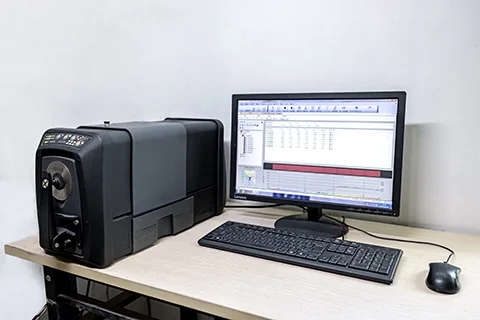
Are the dimensions, color, and plating thickness of bulk products consistent? Songji has established over 30 standardized inspection checkpoints, implementing standardized management from the first sample to bulk shipment to ensure consistent quality across every batch.
• Rapid Replenishment Capability:
Can the supplier respond promptly to restocking requests for best-selling styles? Songji Button Factory has established a safety stock mechanism, maintaining sufficient inventory based on quarterly customer demand to meet urgent restocking needs at any time.
When custom-developing metal suit buttons, key considerations include design translation capabilities, manufacturing processes, and prototyping lead times.
• Design and R&D Capabilities:
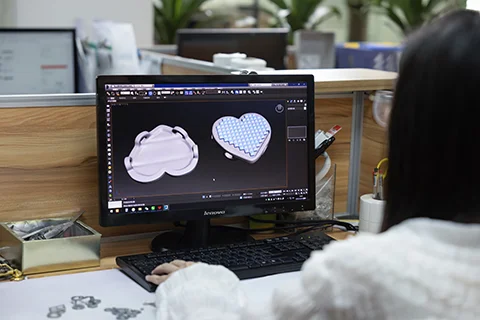
Can the button supplier translate a brand’s design concepts into precise button products? Songji possesses a professional, independent design team that stays abreast of global trends, launching an average of 100 new products monthly. The company has obtained over 100 national patents and was designated a National High-Tech Enterprise in 2016. The design team can refine concepts based on brand-provided sketches or ideas, delivering design proposals and sample renderings.
• Craftsmanship:
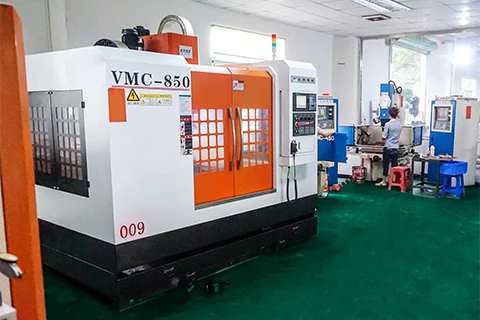
Can complex shapes, intricate patterns, and brand logo details be executed with precision? Songji provides end-to-end OEM/ODM services—from mold development and manufacturing to surface finishing—all completed in-house. Our CNC micro-engraving technology ensures brand patterns are engraved with a depth tolerance of ±0.02 millimeters.
• Prototyping Timeline and Communication Efficiency:
How long does it take from concept to sample? Is communication and feedback seamless? Songji can complete prototyping within 5 to 7 business days, ensuring rapid response for clients with customization needs.
Conclusion
When selecting metal buttons for suits, it is essential to consider texture, color, size, and craftsmanship to enhance the overall quality and sophistication of the garment through these buttons.
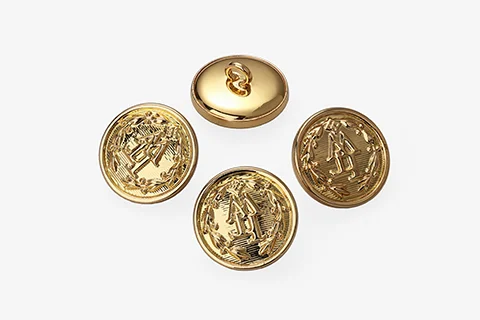
Choosing the right wholesale metal button supplier is crucial for helping your suit brand stand out in the market. Please select a partner based on the key factors mentioned in this article—material properties, manufacturing standards, customization capabilities, and supplier strength—while ensuring the button products you choose align with your specific needs.
If you are looking for a suitable supplier of high-end suit buttons, Songji Buttons is an excellent choice. Contact us today to get your exclusive button customization solution!